J.F. Ingram State Technical College will expand technical training and career services for justice-involved students through $1,589,957 in workforce development grants from the Alabama Community College System.
The ACCS Board of Trustees approved the seven grants at its Sept. 9 meeting. The funding will strengthen programs in advanced manufacturing, industrial maintenance, robotics, hydraulics, diesel technology, pipefitting and welding. It will also expand career planning and employment support for students preparing to enter the workforce.
“At Ingram State, our work is about more than helping a student complete a class or earn a credential. We want our students to leave us prepared to put their skills to work and contribute from their first day on the job,” said ISTC President David Walters. “This funding will help us strengthen that preparation and keep our programs aligned with the needs of Alabama employers. We appreciate Chancellor Baker and the Board of Trustees for their continued confidence in our students and the work of this college.”
Preparing students for modern industry
Two projects will strengthen Ingram State’s advanced manufacturing and industrial maintenance training.
AxisPoint: Where Mechatronic Systems Align and Futures Begin will establish an advanced manufacturing program with a concentration in mechatronics, a field that combines mechanical, electrical and computerized systems. Students will train with robotics, automation, programmable logic controllers and industrial sensors similar to those used by Alabama manufacturers.
ForgeWorks+: Advanced Industrial Maintenance, Robotics and Hydraulics for Reentry will add robotics, automation and hydraulic equipment to industrial maintenance training. Students will learn how the systems work together and gain experience diagnosing problems they may encounter in modern industrial settings.
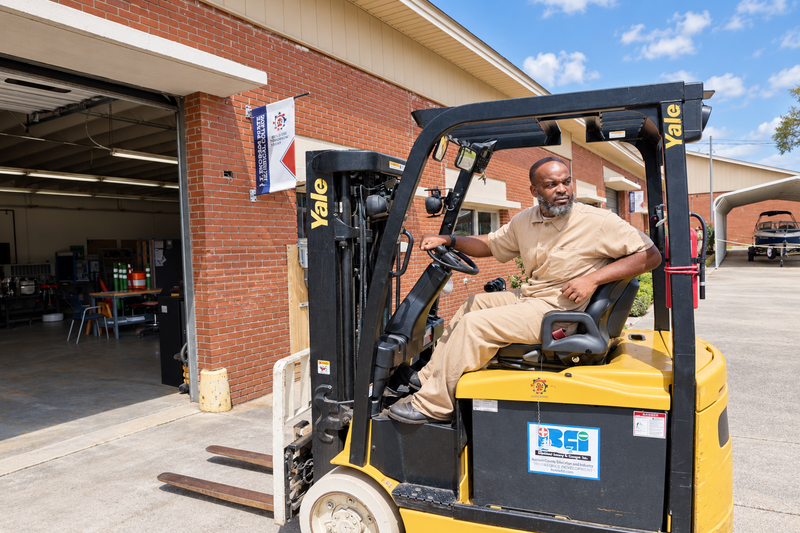
The Iron Path: Powering Reentry Through Diesel Technology project will add diesel engine trainers and diagnostic simulators to the college’s diesel mechanics program. Students will study engine systems, interpret fault codes and practice troubleshooting techniques used in fleet and dealership environments.
Expanding skilled-trades training
Two additional projects will expand welding and pipefitting instruction.
Inside Works: Workforce Solutions in Pipefitting will prepare students for careers in industrial construction, shipbuilding and manufacturing. The project will also provide training connected to OSHA 10 and NC3 certifications.
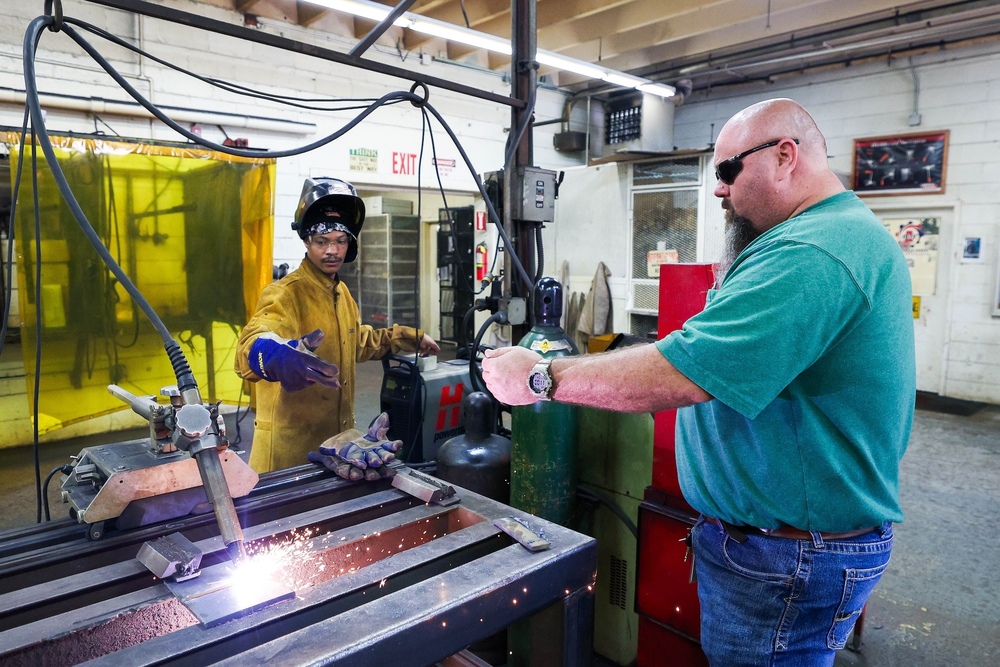
Forging Second Chances: Perry County Reentry Education Program will enhance welding instruction and workforce preparation for individuals nearing release. The project includes equipment, materials, instructor training and participant support.
Both projects will give students more opportunities to work with industry-aligned equipment while developing the safety, technical and problem-solving skills employers expect.
Connecting education to employment
In addition to technical training, two grants will strengthen the career guidance and transition support available to Ingram State students.
The Reentry-to-Workforce Coaching Initiative will provide two reentry coaches for students in special education, adult education and correctional education programs. Coaches will help students explore career pathways, prepare for employment and plan their next steps in education or the workforce. The initiative will place particular emphasis on young adult learners who may benefit from early, structured support.
The LevelUp2 Coordinator: Career Readiness Initiative will expand career and job-placement services for incarcerated students and individuals participating in Alabama Bureau of Pardons and Paroles programs. Career coordinators will help participants connect their education and credentials to employment goals, engage with employers and prepare for the transition into the workforce.
Together, the seven projects will help Ingram State connect classroom instruction more directly to the needs of Alabama employers. Students will have greater access to current equipment, industry-recognized credentials and career support that can help them build sustainable futures after release.
The investment also strengthens Alabama’s workforce pipeline by preparing more individuals for industries that need skilled employees. When students are equipped to enter the workforce, the benefits extend to employers, families and communities across the state.